WHY I SHOOT FILM
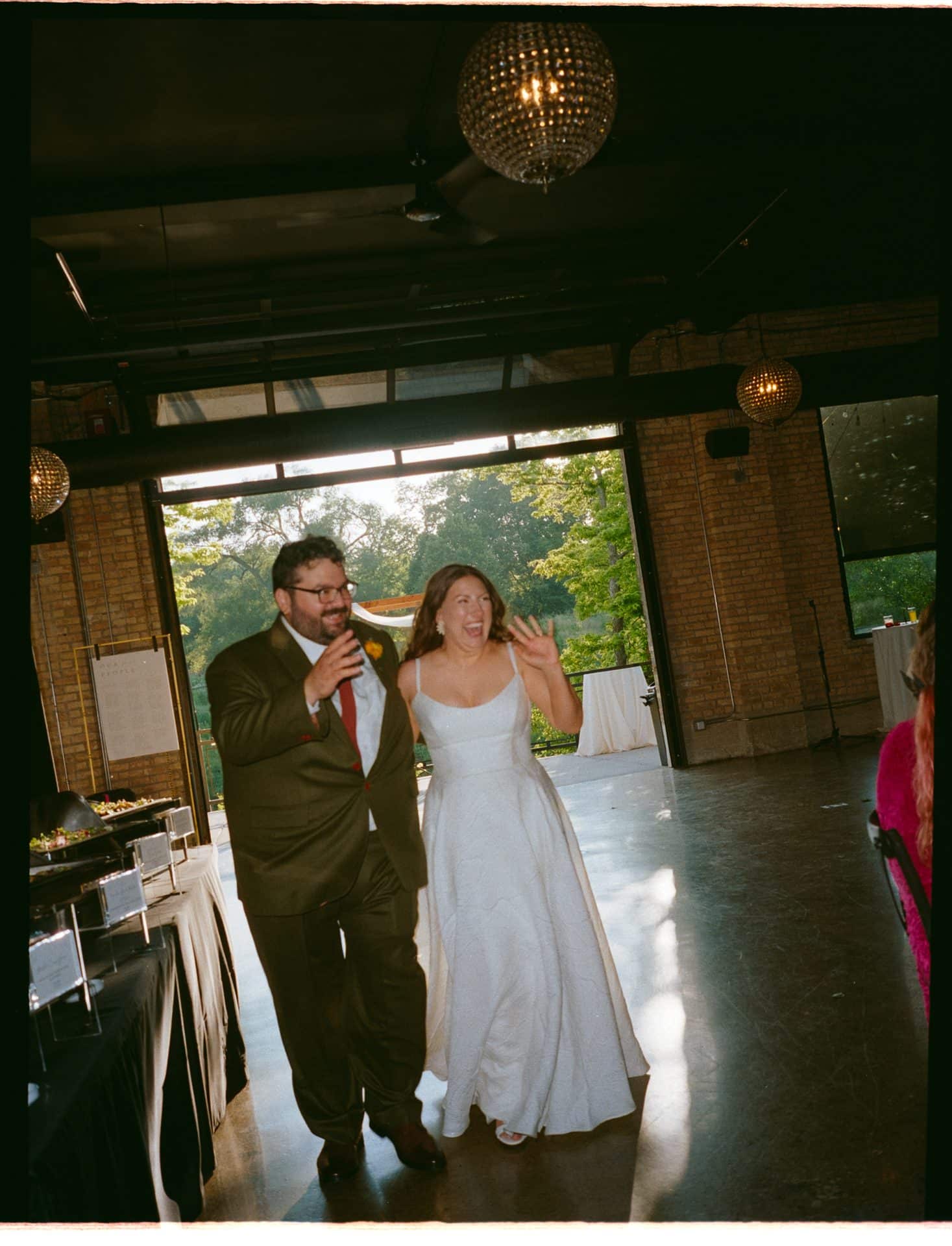
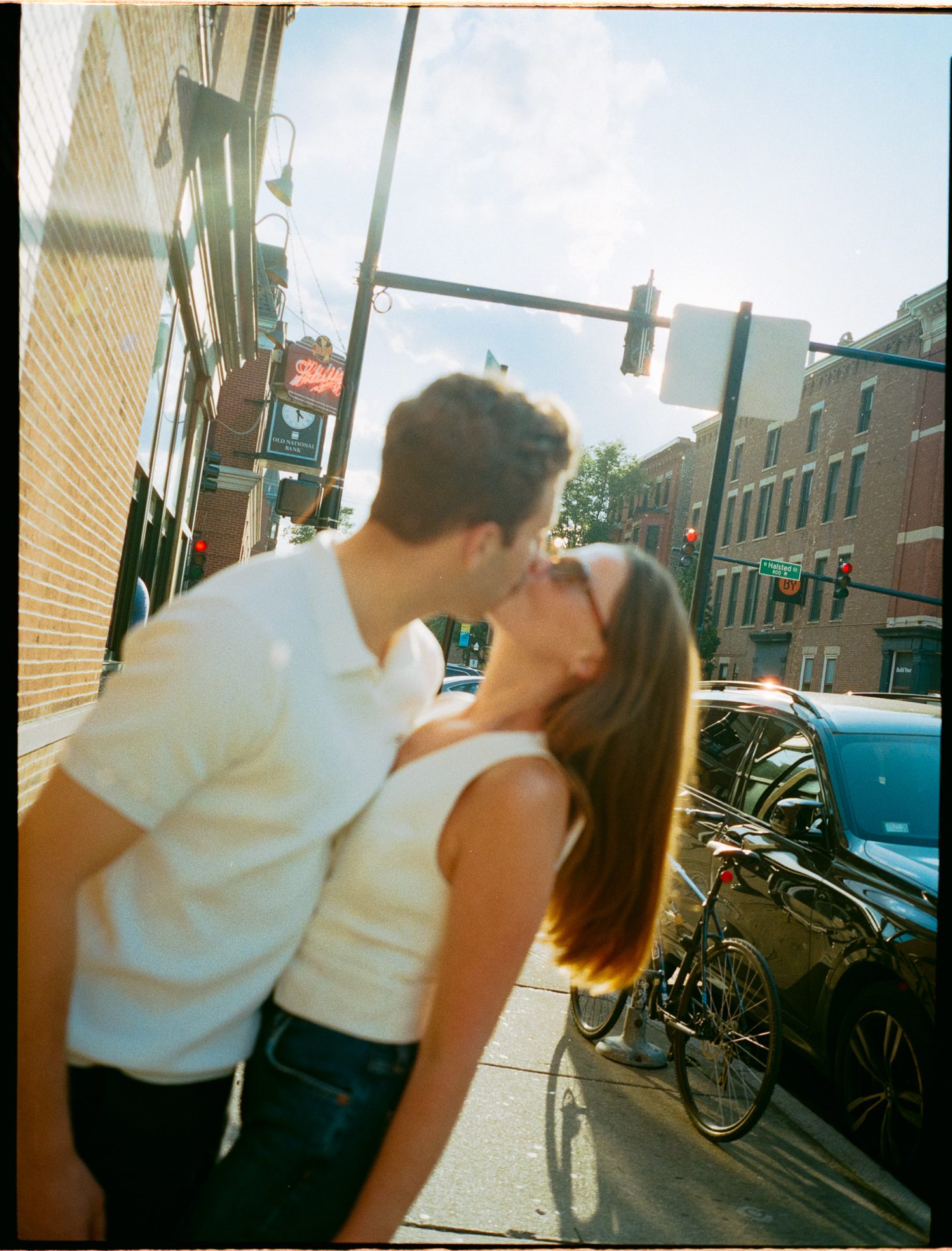
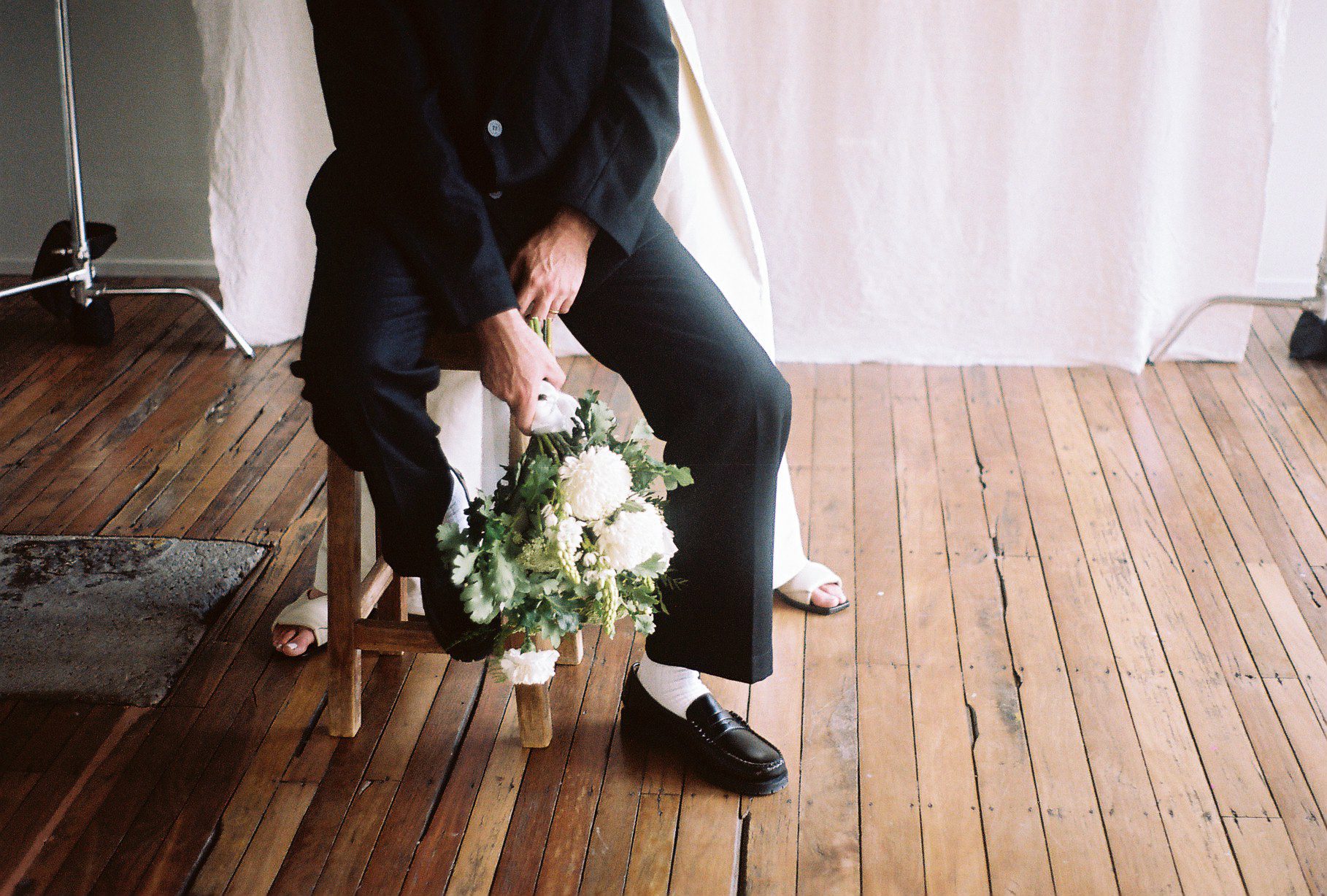
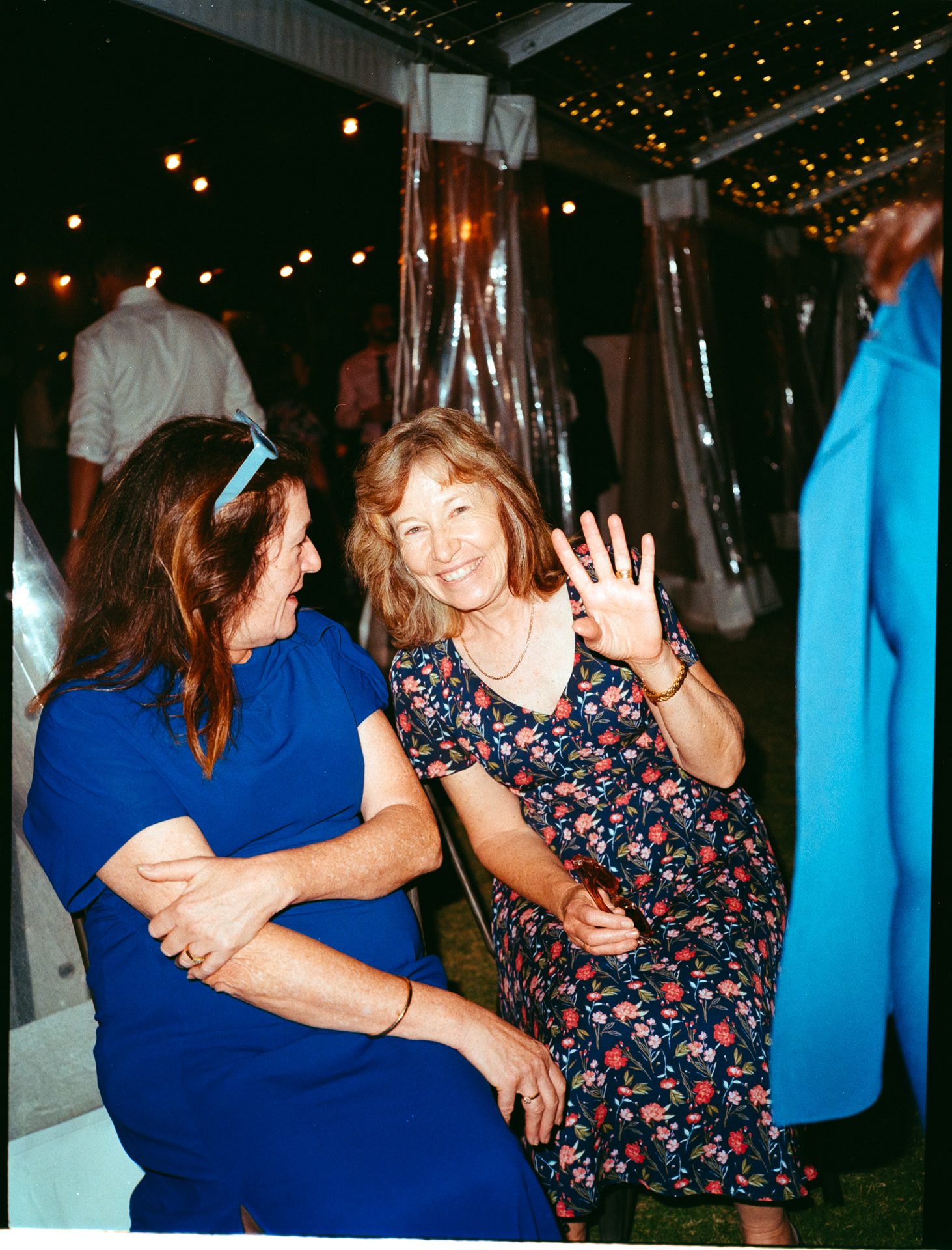
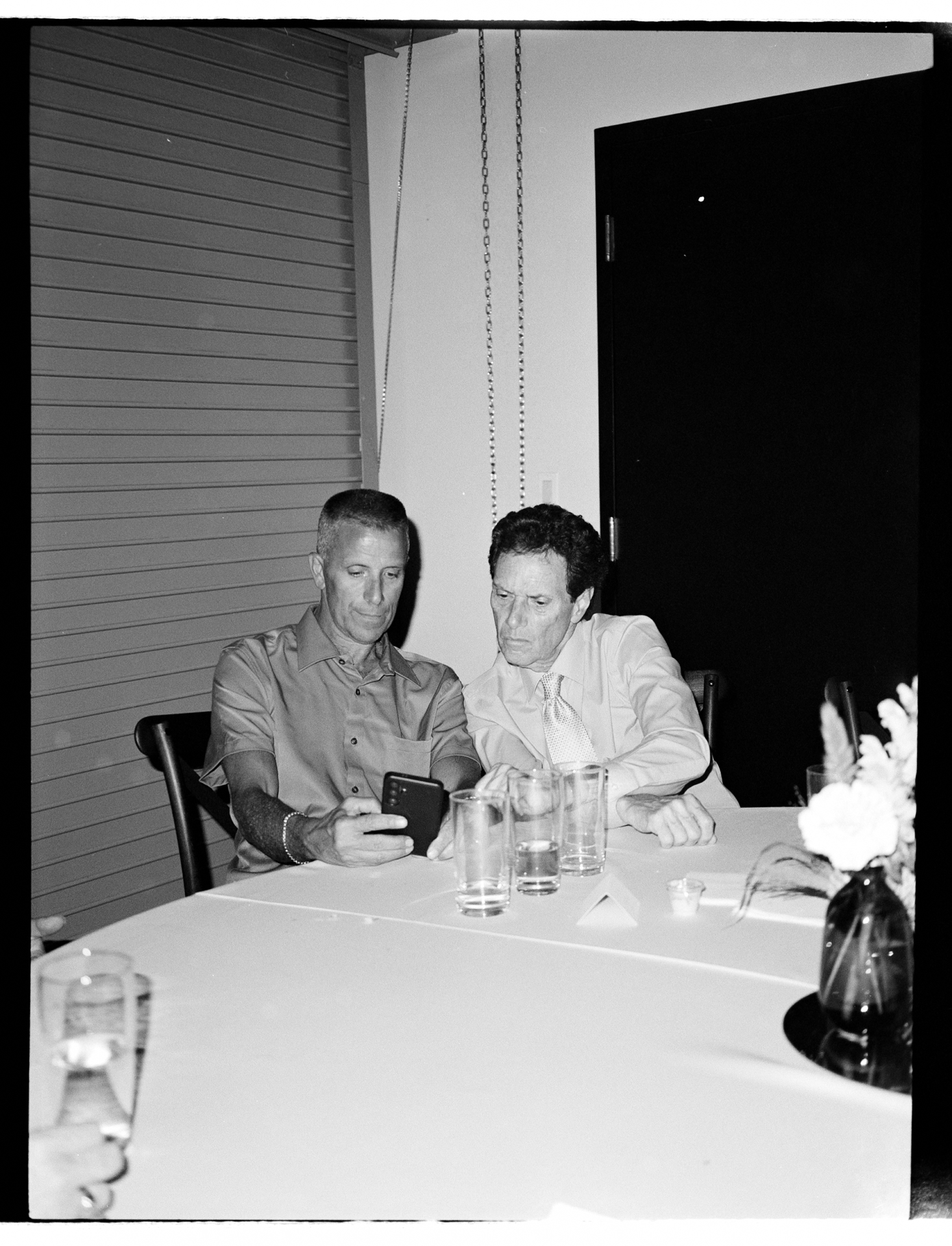
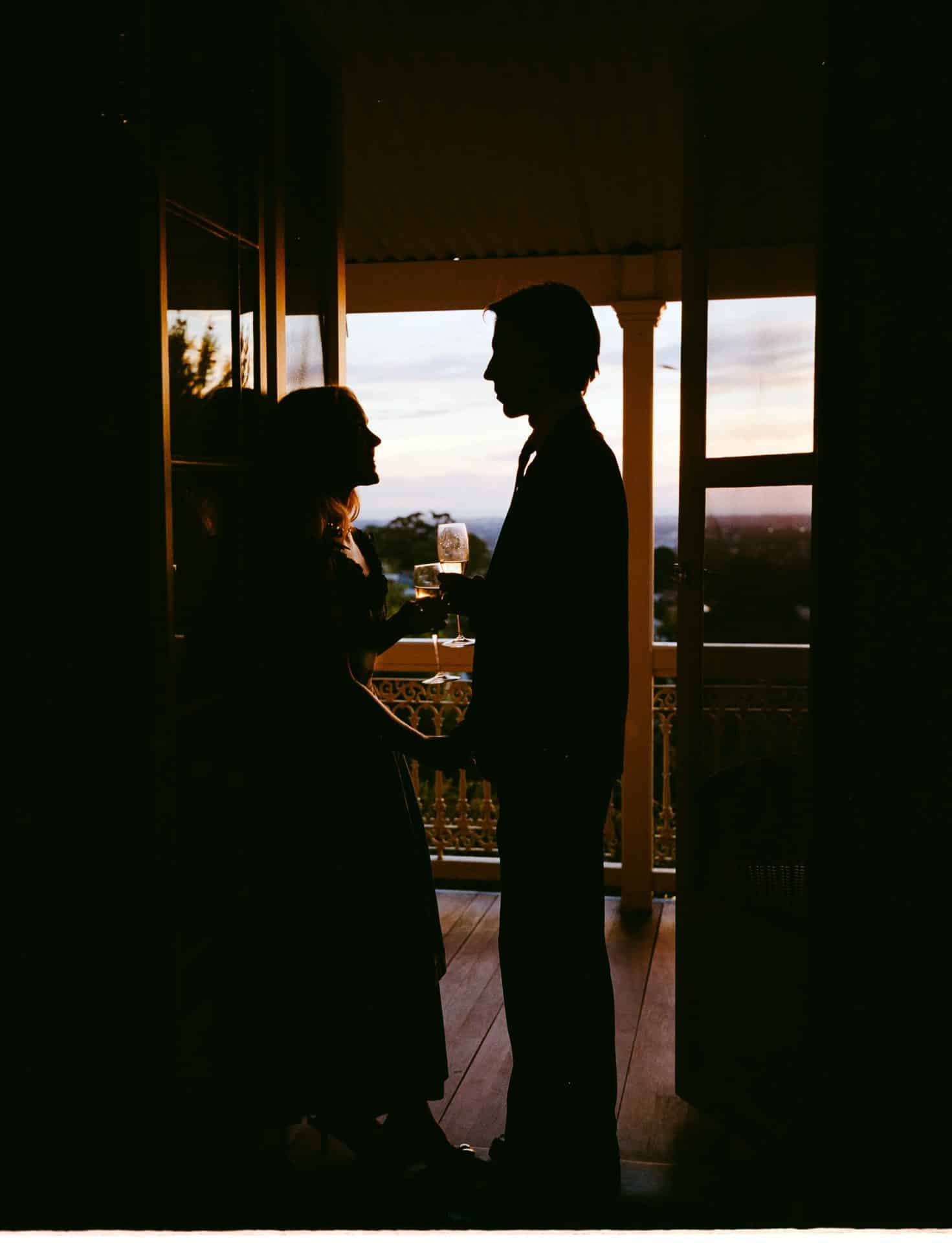
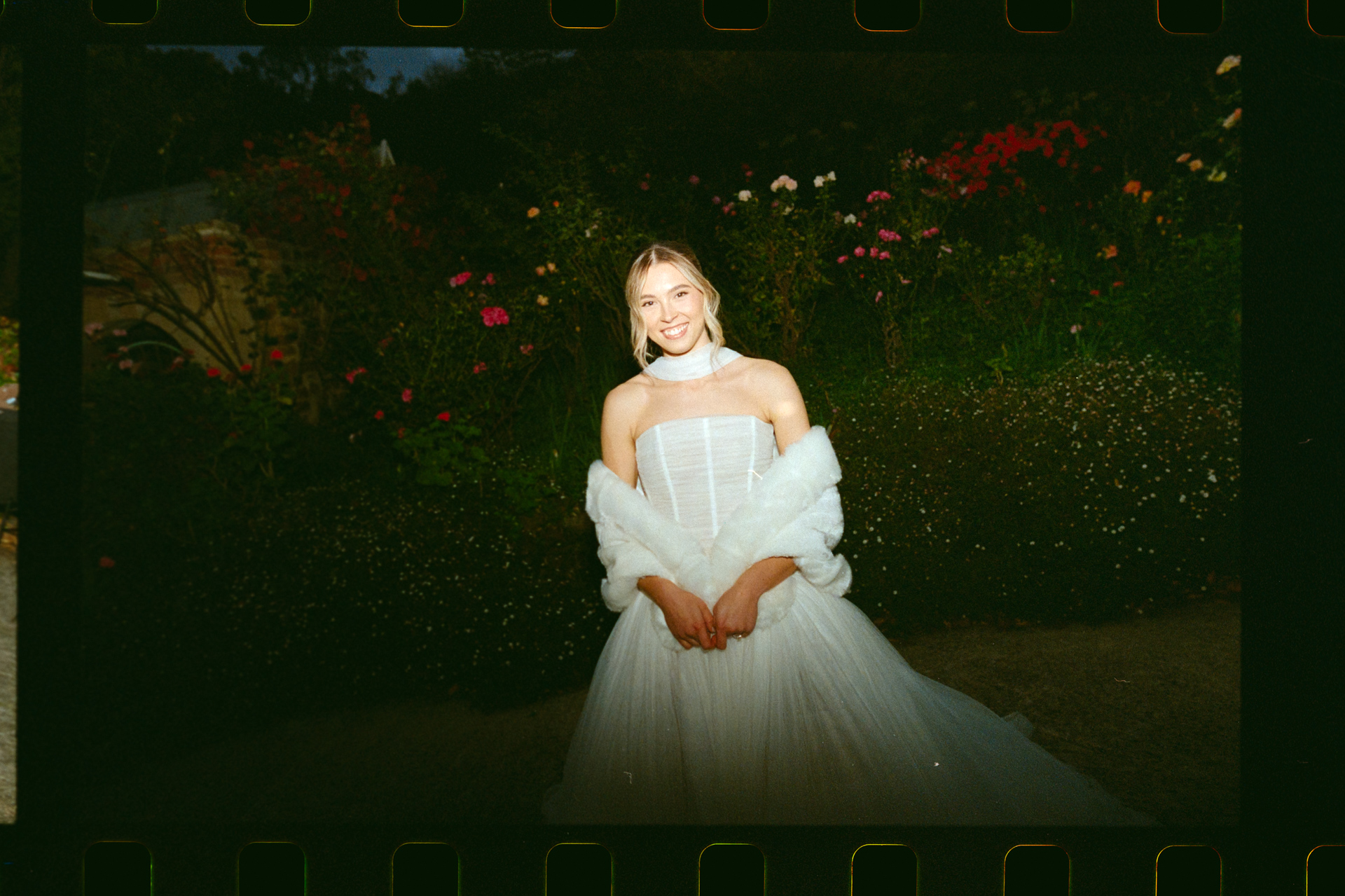
There seems to be a lot of dribble on the internet about film photography. In particular, a highly romanticised view of being a film wedding photographer: how it defies transience and fleetingness of the trend cycle. I just think it is extremely cool that we worked out how to take photos as a whole. The same gear that I use to take your photo went to the moon in '69. It also took the photo of Muhammed Ali standing over Sonny Liston, The Tank Man, and that one with Einstein sticking his tongue out.
It is a real skill to master, taking photographs on film: and thats where the romantic view takes over. There is no computer doing calculations, no modern camera luxury automations. Just this man trying to remember if he put colour or black and white film into the camera.
Will We Get Less Photos?
Are Film Cameras Reliable?
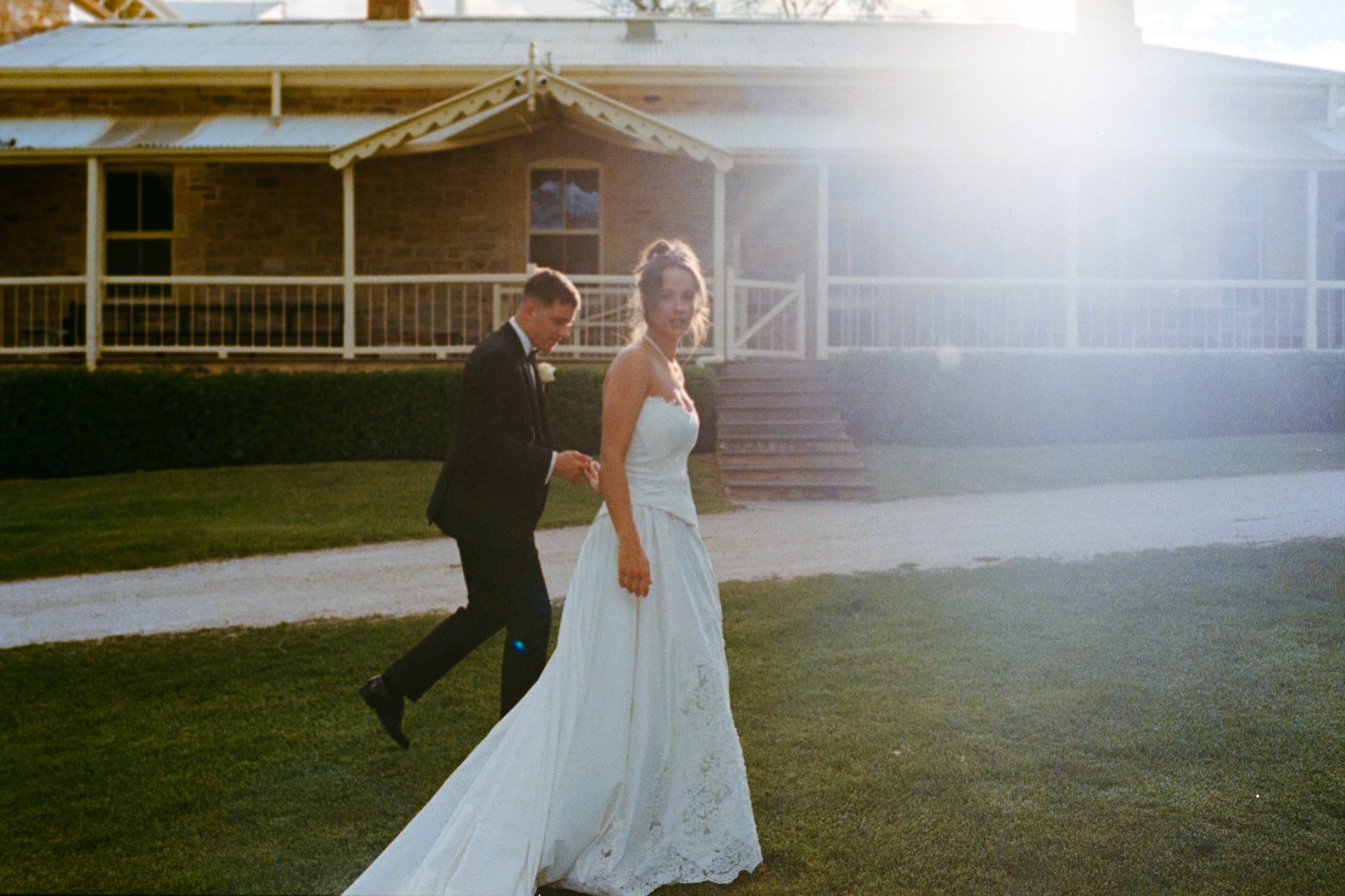
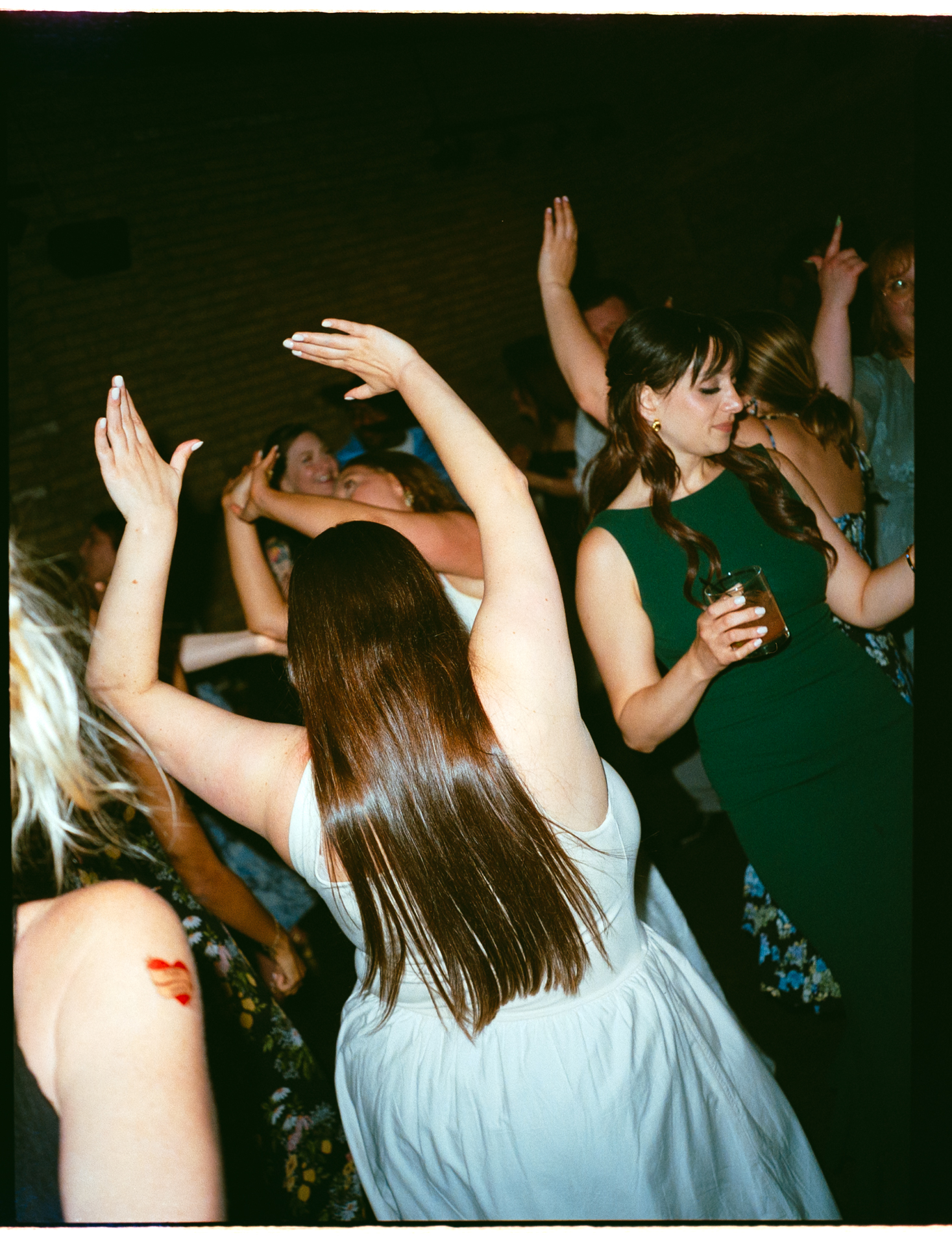
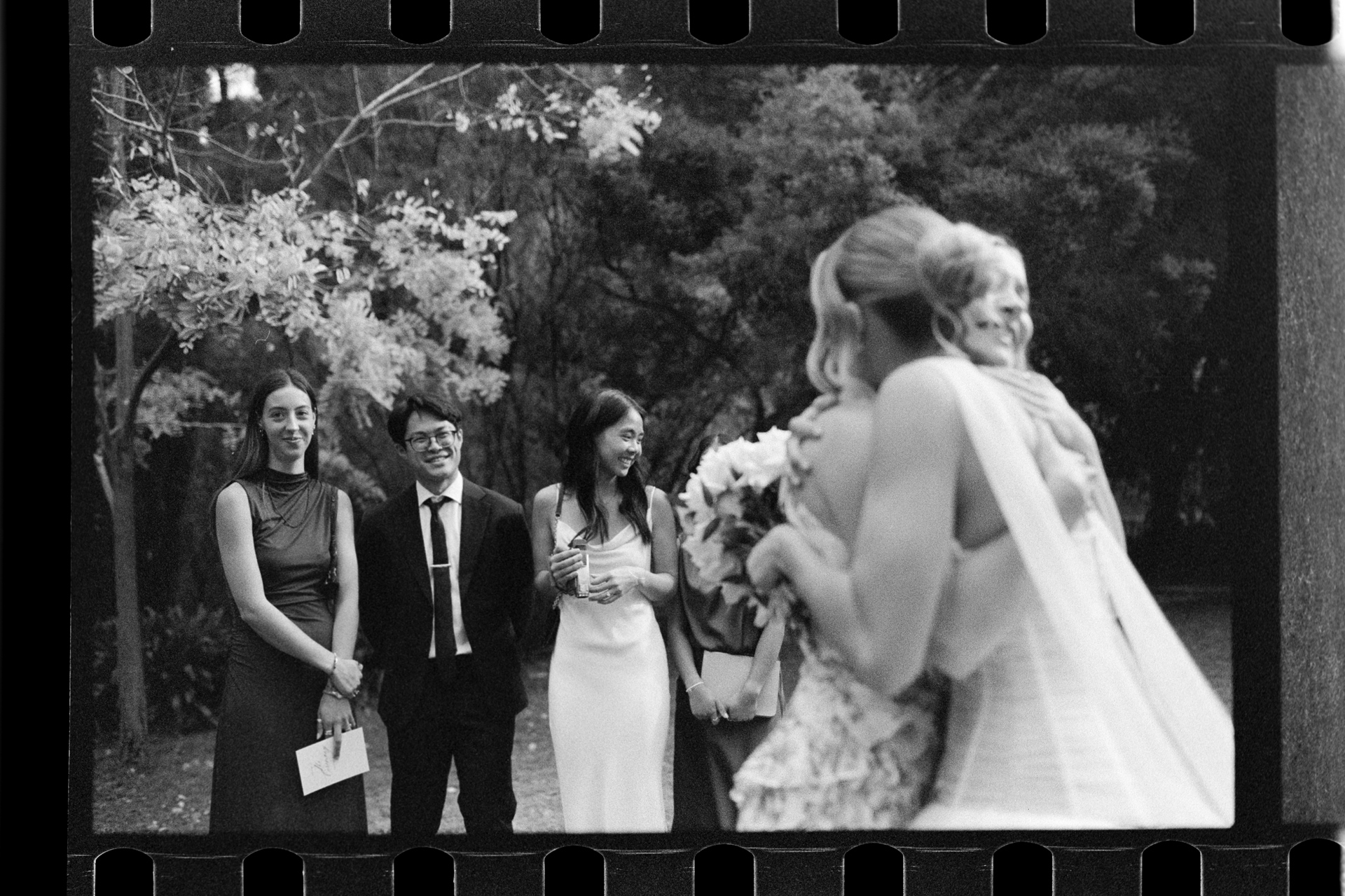
Short answer? Yes, less images. Long answer? It’s much better that way. That is because film needs to be an intentional art form. Each roll of film only holds a limited number of frames, unlike the thousands on a memory card. So while there may be a less quantity of images, it does not mean fewer moments, it means more chance of the images that are captured will find a a home framed on your walls.
Absolutely. Film Cameras are built like tanks. My cameras are 25 to 50 years old. Some of them are fully mechanical and have withstood a beating in a previous life, still performing flawlessly. Negatives last forever, you can tell because your grandparents probably have folders of them at home. As a film wedding photographer, I have full trust in this equipment.
Do You Edit Your Film?
Will Something Go Wrong?
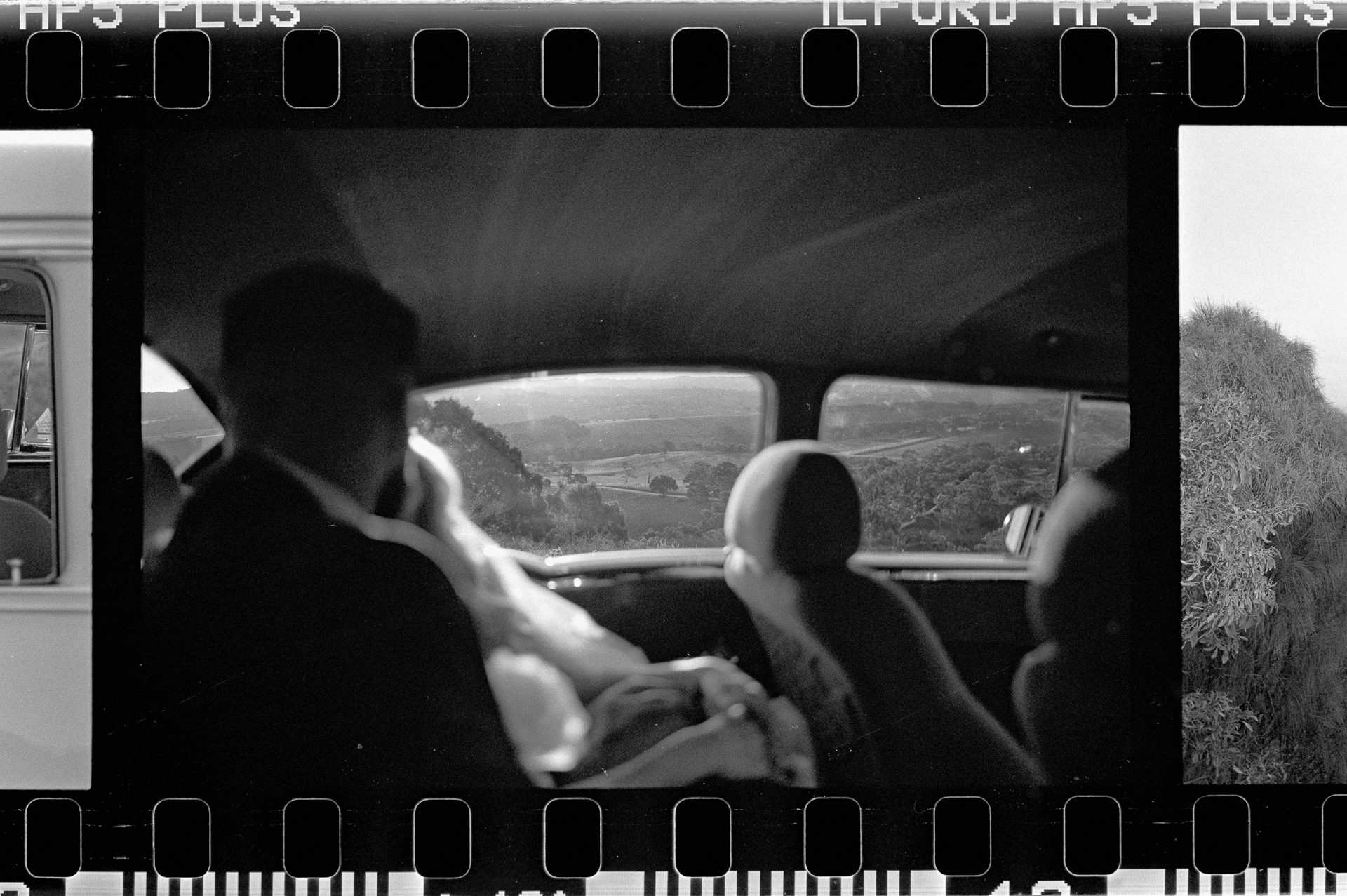
Yes, but only minimally. Film already has its own magic built in: the tones, colours, texture are already part of the charm. I choose film stocks for different situations and goals to emphasise these. My edits are usually just minor tweaks for balance. Most of the look happens in camera and brought to life by the literal chemistry that takes place in developing.
This is incredibly unlikely. There is always theoretical risk, but if you're willing to get in a serviced car and trust it every day, then I'm willing to use my serviced cameras and trust them every day. Due to the natural attentiveness of the work, it means I pay attention to the small hints that might tell me if something is awry. I also work with a world-class film lab whose team I trust (shout out to Conor and Jacko), and always have backups just in case.